.png)
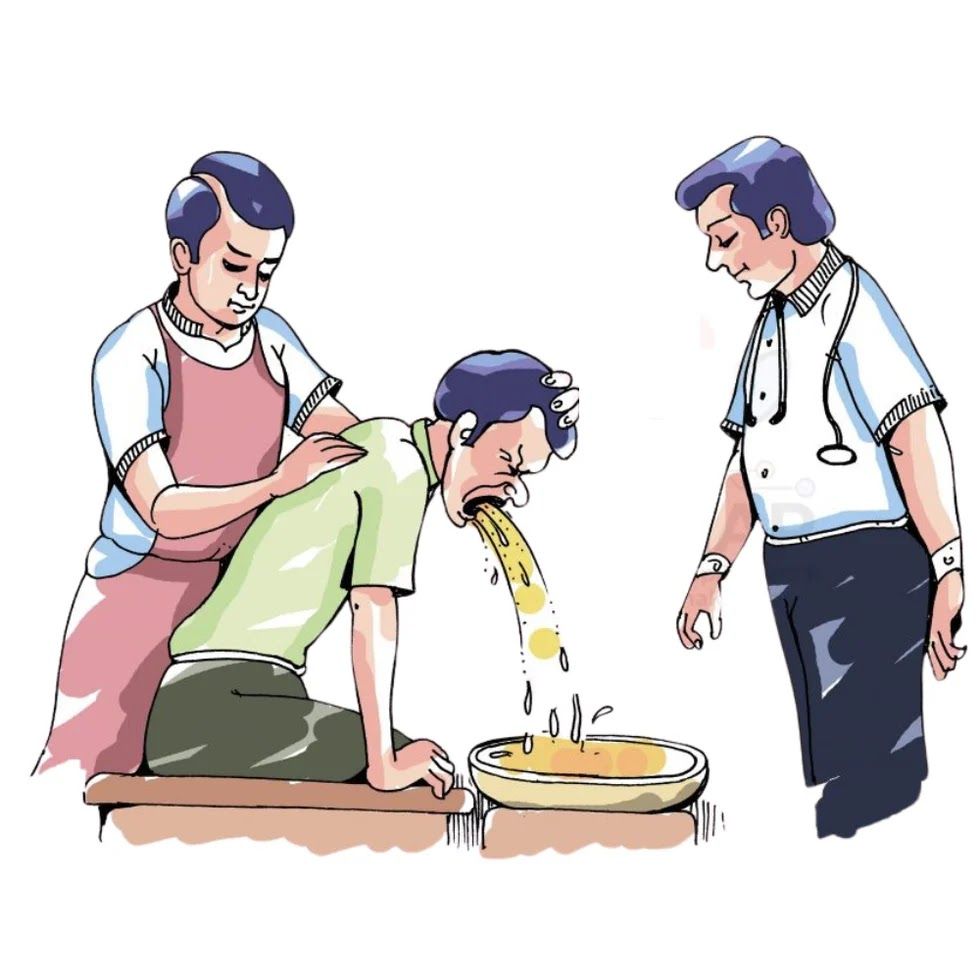
Vamana
Emetic Therapy in Ayurveda
What is Vamana?
The word Vamana means "therapeutic vomiting." In Ayurveda, it refers to a scientifically guided procedure where vomiting is deliberately induced using specific herbal formulations to eliminate aggravated Kapha Dosha and, to some extent, Pitta.
Unlike random vomiting caused by irritation or salt water, Ayurvedic Vamana is a structured, physician-guided detoxification therapy with clear stages, indications, and expected outcomes.
Indications
Vamana is highly beneficial in Kapha-dominant and Kapha Pitta mixed disorders:
- Allergic rhinitis and chronic nasal congestion
- Asthma and chronic cough
- Skin diseases like eczema and psoriasis
- Indigestion and recurrent fevers
- Nodular swellings and lymphatic congestion
- Chronic allergies and respiratory sensitivity
Preparatory Phase
Since Vamana is an intensive purification therapy, the body must be prepared properly. This preparation mobilizes the Doshas and brings them into the stomach for removal.
- Snehana (Oleation): internal or external oiling for 3-7 days.
- Swedana (Sudation): steam therapy to liquefy and mobilize Doshas.
- The evening before Vamana, a Kapha-promoting meal like curd rice or Udad dal Khichadi is given to loosen and gather the Doshas.
The Procedure
On the day of Vamana, the sequence is structured and monitored carefully:
- The patient receives Snehana and Swedana again in the morning.
- They are then given specially prepared Vamana decoctions in large quantities - usually 5-8 liters of liquids.
Common liquids used:
- Sugarcane juice
- Medicated milk
- Herbal decoctions
- Warm medicated water
After consuming a few glasses, medicinal vomiting begins. The expulsion generally follows this classical sequence:
- Kapha comes out first
- Pitta follows
The full process usually takes 70-90 minutes, during which the physician observes the quantity and quality of expelled Doshas to evaluate success.
Signs of Successful Vamana:
- Lightness in chest, abdomen, and limbs
- Improved clarity of senses
- Relief of congestion
- Mild, pleasant fatigue
After Vamana, Dhumapana (medicated herbal smoking) is administered to clear any remaining Kapha in the respiratory tract, followed by Gandusha (herbal gargles).
Post-Therapy Care
Proper aftercare ensures digestion and strength return gradually:
- Resting is advised but no daytime sleep.
- A structured post-Vamana diet (Samsarjana Krama) is followed for 4-5 days.
- Foods begin with thin gruels and gradually progress to thicker, nourishing preparations.
As Vamana requires taking large amounts of therapeutic liquids and following strict guidance, patient cooperation and discipline are essential for success.