.png)
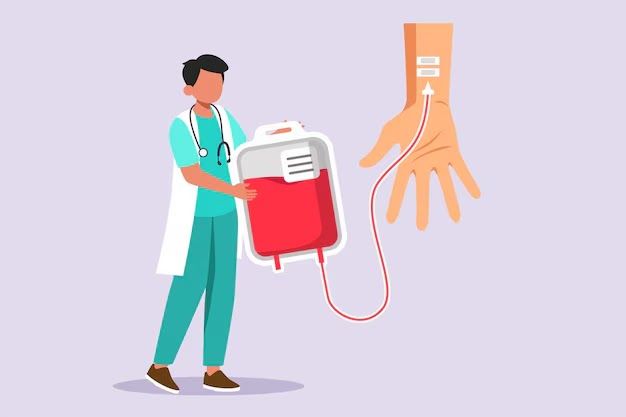
Rakta Mokshana
Therapeutic Bleeding in Ayurveda
What is Raktamokshana?
Raktamokshana literally means "release of blood." It is the process of removing vitiated (impure) blood from the body and has parallels in many ancient as well as modern medical traditions.
In Ayurveda, Raktamokshana is performed either surgically (venesection) or para-surgically (using leeches, cupping, scratching, or suction). It is considered a Shodhana (purification) therapy, indicated when the blood itself is vitiated and carries Doshas throughout the body.
Where Vamana is best for Kapha, Virechana for Pitta, and Basti for Vata - Raktamokshana is prescribed when the blood itself is corrupted.
Causes of Vitiated Blood
Blood becomes impure due to long-term exposure to certain foods, habits, and emotional states. Common causes include:
- Regular intake of very hot, spicy, and oily foods
- Excessive use of salt and fermented foods
- Frequent consumption of alcohol
- Daytime sleeping and a sedentary lifestyle
- Overexertion in hot climates or direct sun
- Negative emotions such as anger, sadness, and fear
As the body attempts to eliminate this vitiation, toxins tend to rise toward the surface. During Raktamokshana, this impure blood is removed first, stimulating the production of fresh, healthy blood.
Typical quantities removed are:
- Venesection: Approximately 100-120 ml of blood
- Leech therapy or suction: About 10-20 ml of blood
Seasonal Considerations
Autumn is considered the ideal season for Raktamokshana, as the weather is relatively balanced and clear.
If needed, the procedure may also be performed in:
- Cooler seasons: Preferably around midday
- Summer: Preferably in the early morning hours
Indications & Benefits
Raktamokshana is beneficial in a wide range of conditions where blood and Pitta are prominently involved. It can bring almost instantaneous relief in some cases.
- Skin diseases and chronic rashes
- Splenomegaly and certain liver disorders
- Jaundice and piles
- Acne and other inflammatory skin eruptions
- Ocular (eye) disorders with congestion or redness
- Hypertension (raised blood pressure)
- Abscesses and inflammatory swellings
- Headaches and migraine with vascular involvement
- Epistaxis (nosebleeds)
- Blood in urine or stool
- Certain joint disorders with heat and swelling
However, it is contraindicated in:
- Pregnancy
- Severe chronic fatigue and debility
- Generalized body swelling (anasarca) and extreme weakness
Methods of Raktamokshana
Different methods are selected based on the nature of the disease, the Dosha involved, and whether the pathology is local or systemic.
-
Venesection (Siravyadha):
Used when there is systemic blood vitiation, spreading Doshas throughout the body. -
Scratching (Pracchana):
Series of fine superficial scratches, useful in local Kapha and blood disorders near the skin. -
Cupping (Alabu / suction):
Applied for Vata disorders and deeper impurities, often over muscles and joints. -
Leech therapy (Jalauka):
Ideal for Pitta and localized, inflamed conditions where a gentler approach is needed.
Leech Therapy - Gentle & Effective
Leech therapy is especially gentle and almost painless, making it suitable even for children and the elderly.
Leeches secrete a natural substance called Hirudin, which prevents clotting and allows effective, controlled blood withdrawal from the affected site.
In Ayurveda, leeches are preserved and reused after a proper purification process using turmeric, oil, and rock salt. This ensures both safety and effectiveness.
Aftercare & Diet
After Raktamokshana, the body is in a sensitive, cleansing phase. Proper aftercare is essential to support recovery and the formation of fresh, healthy blood.
- Consume light, soupy, and easily digestible foods
- Avoid excessively hot, cold, heavy, or stale foods
- Refrain from alcohol and very spicy meals
- Avoid daytime sleep, emotional outbursts, and anger
- Protect yourself from excessive heat and direct sun exposure
Conclusion
Raktamokshana, though apparently simple, is a profoundly effective therapy when used judiciously. By directly removing vitiated blood, it acts at a deep level to purify the body and restore balance.
Just as Basti is considered half the treatment for many Vata disorders, Ayurvedic tradition regards Raktamokshana as half the treatment in many blood-borne and Pitta-dominant diseases. When performed under the guidance of a skilled Vaidya, it can offer remarkable relief and long-term healing.